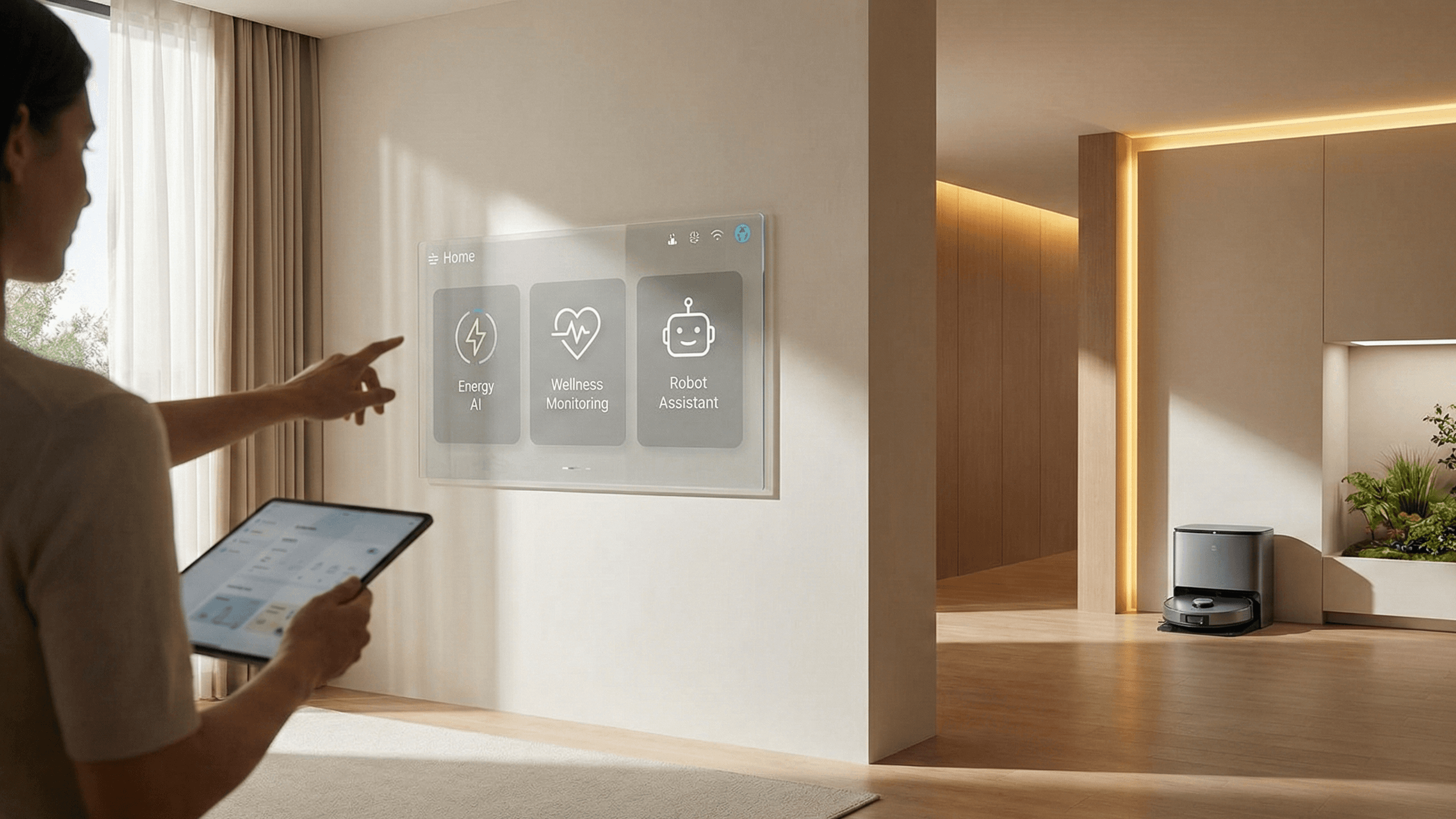
Smart Home Trends to Watch in 2026: What's Shaping Your Connected Future

Every January, the smart home industry produces a wave of announcements about what the coming year will bring. Most of it is optimistic marketing and some of it never materialises in any form ordinary people actually encounter. But periodically there are genuine shifts in how the technology works and what it can practically do, and 2026 happens to be one of those years where several things are converging in ways that matter.
I have been building and using smart home setups for four years and paying attention to where the technology is heading for most of that time. What follows is my honest read on which trends represent genuine progress worth paying attention to versus which ones are still more promise than reality.
Matter Is Finally Delivering on Its Promise
The Matter standard for smart home interoperability launched in late 2022 with significant fanfare and somewhat underwhelming real-world results. The early implementation was narrower than the marketing suggested and the cross-platform experience was rougher than the simple pitch of "everything works with everything" implied.
In 2026 the picture is meaningfully better. The range of device types covered by the Matter specification has expanded substantially. The initial release covered bulbs, plugs, and switches well. Subsequent versions added thermostats, blinds, energy meters, and air quality sensors. Cameras, doorbells, and robot vacuums have been more recent additions. The ecosystem of certified products has grown to the point where most mainstream smart home devices from established brands now carry Matter certification.
What this means in practice is that the ecosystem-lock-in problem that has frustrated smart home users for years is genuinely less severe than it was. Buying a smart bulb from a brand that primarily targets the Apple HomeKit market no longer means that bulb cannot participate in your Alexa routines. Switching your primary voice assistant does not require replacing all your hardware. These were real problems for real people and they are meaningfully reduced.
The caveat is that Matter is still not the seamless experience the promotional material suggests. Cross-platform automation, where a trigger in one ecosystem drives an action in another, still has rough edges. Some device categories are better supported than others. And the certification process means that devices can be technically Matter-certified while still having primary functionality that only works well within the manufacturer's own ecosystem.
The practical takeaway for 2026 is that buying Matter-certified devices is genuinely worth doing and provides real flexibility. It is not a magic solution but it is a meaningful improvement over where the market was two years ago.
AI in Smart Home Devices: Separating Genuine Utility From Marketing
AI has been attached to smart home product descriptions so aggressively over the past two years that the term has become nearly meaningless in that context. Every camera offers AI person detection. Every thermostat has AI scheduling. Every speaker has AI conversation capabilities. The actual quality and usefulness of these implementations varies enormously.
The area where AI has made the most genuine practical difference in smart home technology is in camera and sensor intelligence. The gap between a motion sensor that triggers on anything that moves and a camera that distinguishes between a person, a vehicle, an animal, and a tree branch moving in the wind is not a trivial one. It is the difference between a system that generates so many notifications you start ignoring them and one that surfaces events you actually care about.
The intelligence in camera systems from Eufy, Arlo, and the current generation of Nest cameras is genuinely useful and represents a real improvement in daily usability. Smart detection that filters false alerts is not marketing language; it changes the practical experience of having security cameras.
In other categories the AI claims are more inflated. Smart thermostats have always used learning algorithms and the improvements described as AI in recent generations are incremental rather than transformative. Smart speakers are more conversationally capable than they were but the practical smart home control use case, telling the assistant to turn things on and off and trigger routines, was already working well before recent AI improvements.
The genuine frontier for AI in smart home technology is predictive automation, where systems learn patterns of use and start anticipating rather than just responding. This is more developed in commercial systems than in consumer products, but the direction is clear and some consumer products are beginning to move meaningfully in this direction.
Energy Management Is Getting More Useful
The combination of rising energy costs and improving monitoring tools has made energy management features in smart home technology more practically useful than they were a few years ago.
Whole-home energy monitors that attach to your electrical panel and provide circuit-level data have improved in both capability and accessibility. The Sense Energy Monitor uses pattern recognition to identify individual appliances from their electrical signatures, so you can see that your refrigerator is drawing more current than expected or that a specific device is responsible for unexpected overnight consumption. This kind of visibility changes how people think about their energy use in ways that simple "you used X kilowatt hours this month" data does not.
The connection between energy monitoring and smart home automation is becoming more direct. Smart plugs with energy monitoring can now trigger automations based on consumption data rather than just time and presence. A plug that switches off a device when it has been in standby for more than an hour, or that alerts you when a specific appliance is drawing significantly more power than usual, represents a more intelligent form of energy management than scheduled on/off control.
For households with solar panels, the integration between solar production data and smart home automation is an area of genuine improvement. Scheduling high-consumption activities during periods of peak solar production, and adjusting that schedule dynamically based on weather forecast data, makes solar investment more effective. This was technically possible before but required significant technical effort to set up. It is becoming more accessible.
The Security Camera Market Has Matured
Smart security cameras went through a rough period where the market was dominated by products with mandatory cloud subscriptions, privacy concerns about footage storage, and varying quality of smart detection. The market in 2026 is more mature and more varied in meaningful ways.
Local storage as a first-class option rather than a compromise workaround is now available from established brands at accessible price points. Eufy's approach of storing footage locally by default with cloud as an option has become more of an industry template and less of a niche position. This matters because it addresses both the cost and the privacy concerns that made cloud-only cameras a difficult choice for many people.
The quality of smart detection across the price range has improved substantially. Person detection that works reliably across varying lighting conditions and at the price points accessible to most consumers was not a given three years ago. It is now. Package detection, vehicle detection, and facial recognition for known people are now available below the premium price tier.
The doorbell camera category in particular has seen meaningful product maturity. The hardware is more reliable, the battery life is longer on battery-powered models, the video quality at night has improved significantly, and the integration with smart home ecosystems is smoother.
What Has Not Changed and Why That Matters
Wi-Fi still matters more than any individual device. The most capable smart home device on the market will behave unreliably in a home with poor Wi-Fi coverage or band management problems. This has been true for years and it remains true. No trend in 2026 changes the fundamentals of needing a solid network as the foundation for everything else.
The value of simple, reliable automations over complex, sophisticated ones also remains unchanged. The most impressive smart home features tend to be the ones that get demonstrated and then stop working reliably within a week. The least impressive features, schedules that run consistently, presence detection that reliably knows when you are home, motion sensors that work every time, are the ones that make a smart home actually worth having over months and years.
The brands with long track records of firmware support and platform stability remain the sensible choices for core devices. New entrants with impressive hardware at attractive prices are worth watching, but a device that stops receiving updates in two years is a poor long-term investment regardless of its initial specification. Philips, TP-Link, Aqara, Eufy, and similar established brands are not exciting choices but they are reliable ones.
Where to Actually Focus in 2026
For someone building a new smart home or upgrading an existing one, my honest recommendation is to buy Matter-certified devices from established brands for the core layer, which means the hub, the most-used lighting, and the plugs. This gives you flexibility without requiring you to commit fully to the promise of seamless cross-platform everything that is still not fully realised.
Camera hardware is worth upgrading or adding if you have been waiting for better local storage options or more reliable smart detection, because both have genuinely improved.
Energy monitoring at the plug level for your highest-consumption devices is a good investment if understanding your electricity use is a priority, and the tools for acting on that data have improved.
Everything else, the AI prediction features, the more exotic wellness integrations, the spatial audio experiences, is worth being interested in but cautious about buying into until the specific implementation you are considering has proven track record from real users rather than just launch period impressions.
My smart home in 2026 looks less different from my smart home in 2024 than the industry announcements would suggest. The parts that have genuinely improved are camera intelligence and cross-platform compatibility. The parts that continue to work the same way they always did are everything else.


