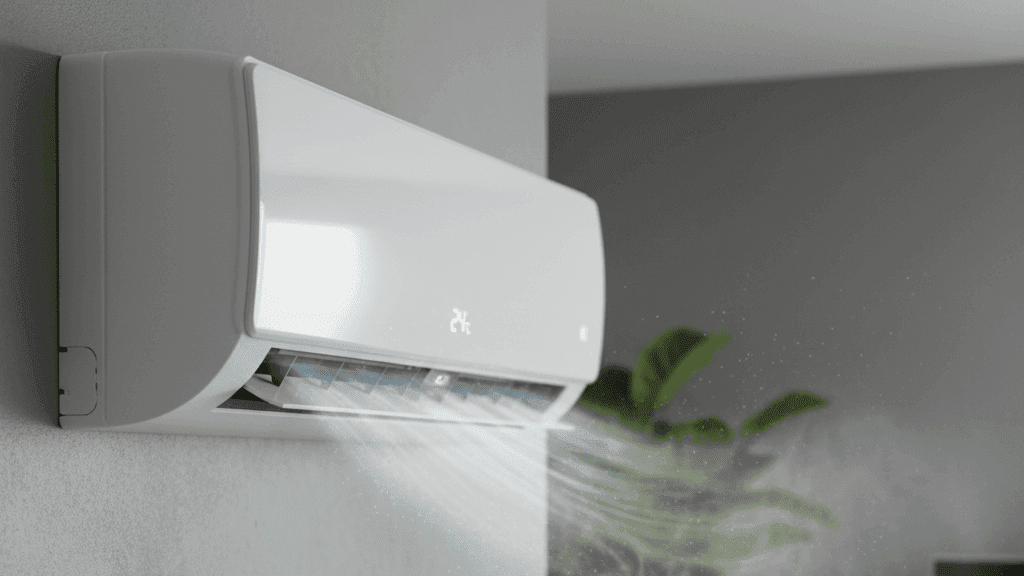
Not Your Parents' AC: A Guide to Modern Air Conditioner Features
More Than Just Cold Air
For decades, the air conditioner had a simple job: blast cold air until the room felt less like a sauna. The controls were basic—a dial for "colder" and a switch for "faster." But just like phones evolved from rotary dials to powerful smartphones, the humble AC unit has undergone a massive technological transformation.
Today's air conditioners are sophisticated climate control systems. They are quieter, drastically more energy-efficient, and packed with intelligent features that enhance comfort, convenience, and even your health. If you're in the market for a new AC, looking beyond its basic cooling capacity (tonnage) is crucial. Understanding the latest features will help you choose a unit that not only keeps you cool but also saves you money and integrates seamlessly into your smart home.
This guide will break down the most important modern AC features, from the game-changing technology that slashes your electricity bill to the smart controls that let you manage your comfort from anywhere.
The Efficiency Revolution: How to Save Money and Energy
The single biggest leap in AC technology has been in energy efficiency. If your current AC is more than 10 years old, a new model can cut your cooling costs by 20-40%. Here's the tech that makes it possible.
Inverter Technology: The Game-Changer
This is the most important feature in a modern AC. Think of a traditional, non-inverter AC like a car in city traffic—it's either full throttle (compressor on) or stopped (compressor off). This constant starting and stopping consumes a huge amount of energy.
An inverter AC is like having cruise control for your home's climate. The inverter technology allows the compressor to run at variable speeds. When you turn it on, it runs at high speed to cool the room quickly. Then, instead of shutting off, it slows down to the precise speed needed to maintain the set temperature.
- The Benefit: This smooth, continuous operation uses significantly less electricity, results in a more stable room temperature without fluctuations, and is much quieter. While inverter ACs have a slightly higher upfront cost, the energy savings pay for the difference over time.
Energy Efficiency Ratings (ISEER / EER)
You'll see a star rating on every new AC. In India, this is the ISEER (Indian Seasonal Energy Efficiency Ratio). A higher ISEER rating means the AC is more efficient. This rating considers how the AC performs across different temperatures over a season, making it a very reliable real-world metric. Always opt for the highest star rating you can afford.
The Smart Connection: Convenience and Control
This is where your AC joins the "ConnectedHome" family, moving from a standalone appliance to an integrated part of your home's ecosystem.
Wi-Fi Connectivity and App Control
Most new mid-to-high-end ACs come with built-in Wi-Fi. This allows you to connect the unit to your home network and control it via a smartphone app.
- Practical Uses:
- Pre-cooling: Turn on the AC on your way home from work to walk into a perfectly cool house.
- Peace of Mind: Did you leave the AC on after leaving for vacation? No problem, just turn it off from the app.
- Monitoring: Track your energy consumption directly from the app.
Scheduling and Voice Control
Smart ACs let you create detailed schedules. You can program the unit to turn on and off at specific times, change temperatures throughout the day, or switch modes automatically. Furthermore, with voice control integration, you can simply say, "Alexa, set the bedroom AC to 24 degrees," without ever looking for the remote.
Beyond Cooling: Features for Health and Comfort
Modern ACs do more than just lower the temperature; they actively manage the quality and feel of your indoor air.
Built-in Air Filtration
While not a replacement for a dedicated air purifier, the filters in today's ACs are far more advanced than the simple mesh screens of the past. Look for units with:
- PM 2.5 Filters: Capture fine particulate matter that can be harmful to your health.
- Anti-Bacterial / Anti-Viral Coatings: Help to deactivate germs and allergens that pass through the filter.
Dehumidification (Dry Mode)
In humid climates or during monsoon season, it often feels hotter than it is because of moisture in the air. The "Dry Mode" runs the compressor at a low speed while the fan circulates air, removing excess humidity from the room without making it feel freezing cold. This makes the environment much more comfortable and can help prevent mold growth.
Self-Cleaning Technology
Moisture and dust inside an AC unit can become a breeding ground for mold and bacteria, leading to musty smells and poor air quality. The self-cleaning feature helps combat this. Typically, it runs the fan after the cooling cycle is over to dry out the indoor unit's coil, preventing buildup and ensuring the air coming out is fresh and clean.
Advanced Airflow and Sleep Modes
- 4D/4-Way Swing: Motorized louvers that move both horizontally and vertically to distribute cool air more evenly throughout the entire room, eliminating hot spots.
- Sleep Mode: A brilliant feature for nighttime. When activated, the AC will gradually increase the temperature by a degree or two over several hours. This aligns with your body's natural tendency to cool down during sleep, ensuring you don't wake up shivering at 3 AM and saving energy in the process.
Conclusion: Choose a Smarter Cool
Buying an air conditioner today is an opportunity to upgrade your home's comfort, efficiency, and intelligence. As you shop, look past the price tag and the tonnage and examine the features. An inverter model with a high star rating is a must for long-term savings. Smart, Wi-Fi-enabled controls offer a level of convenience that you'll quickly find indispensable. And features designed for air quality and comfort will transform your home into a true sanctuary. By investing in these modern technologies, you're not just buying an appliance; you're investing in a smarter, more comfortable future.
